Polyurethane (PU) foam insulation is widely used in the construction industry (primarily as insulation) due to its excellent thermal performance, lightweight structure, and ease of installation. From walls and roofs to prefabricated panels and cold storage facilities, PU foam plays an essential role in modern, energy-efficient construction practices.

However, this widespread use comes at a cost: construction and demolition sites generate significant volumes of PU waste, particularly in the form of insulation offcuts, damaged panels, and discarded materials. This type of waste is notoriously difficult to manage, as PU foam is bulky, non-biodegradable, and costly to transport and dispose of. When it is not properly handled, it adds to landfill burden, increases environmental impact, and makes long-term sustainability challenges for the industry.
The good news is that PU foam insulation recycling has advanced significantly in recent years. In this article, we share the environmental benefits of recycling PU foam in construction, how these solutions work and why forward-thinking companies are beginning to embrace them.
The challenge of dealing with PU foam waste in the construction industry
Most PU foam waste from construction has traditionally ended up in landfills or been mixed with other debris. While this may have been acceptable in the past, it is increasingly costly and unsustainable. Landfill fees continue to rise, regulations are tightening and the environmental burden of non-recycled foam is harder to deal with. For construction companies, using conventional ways to get rid of waste is no longer a reliable or risk-free option.
Landfilling and incinerating PU foam both come with significant environmental costs. In landfills, foam takes decades to break down, occupying large volumes of space and contributing to long-term waste problems. Incineration can release harmful emissions if it is not carefully controlled. Neither method supports circular use of resources, meaning valuable materials are lost instead of being reused.
Why recycle PU foam?
Recycling PU foam goes beyond solving a waste problem, it unlocks both economic and environmental opportunities. By keeping insulation waste out of landfills, construction companies not only avoid high disposal costs but also contribute to reducing the industry’s environmental footprint. At the same time, recycling transforms PU foam into a secondary raw material that can be fed back into the value chain, creating tangible savings and greater resource efficiency.
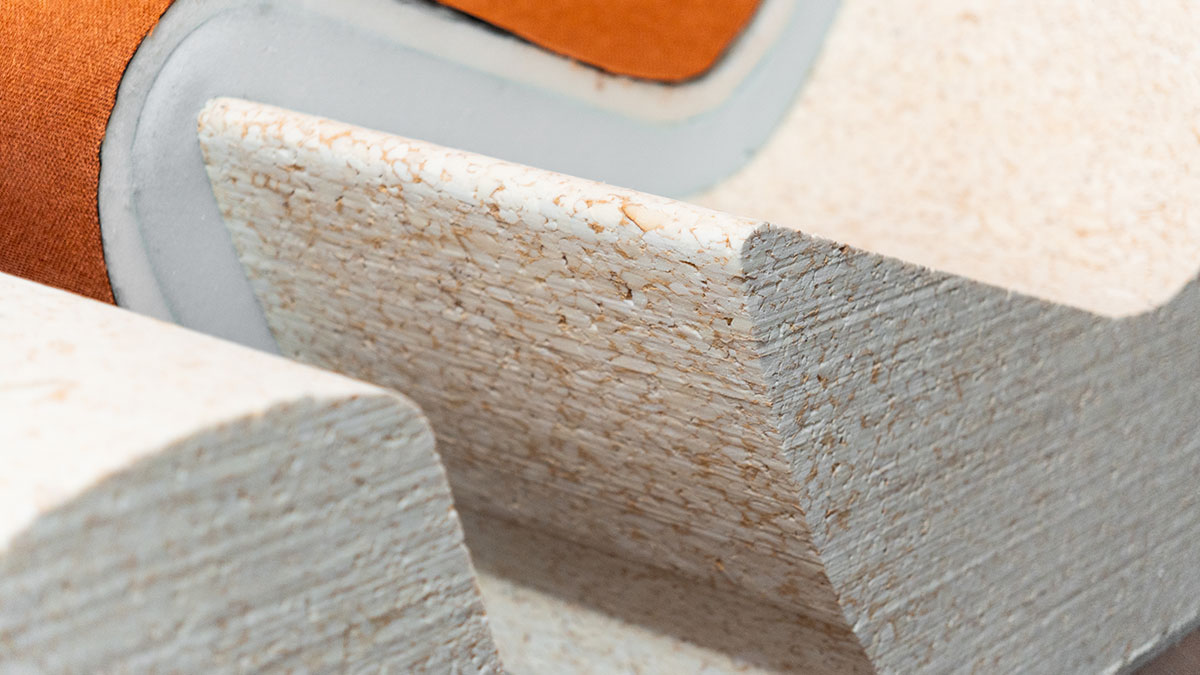
Another advantage is the potential to generate entirely new products. Recycled foam can be reprocessed into insulation boards, acoustic panels, lightweight construction components, or adapted for consumer goods such as furniture elements. This turns what was once considered end-of-life material into building blocks for innovation across multiple industries.
At Purman, we’re proving that PU foam insulation recycling is more than an eco-friendly initiative. It is a smart, forward-thinking business strategy. By turning construction and industrial PU foam waste into high-performance materials, we demonstrate how waste can drive both profitability and product innovation. Our solutions support the shift toward a circular economy, helping our partners reduce environmental impact.
Finally, proper recycling practices make it easier for companies to align with industry standards and waste management regulations. By documenting recycling activities, contractors can demonstrate compliance during audits, reduce legal risks, and build a reputation for responsible business conduct.
PU foam insulation recycling applications
- Construction: reprocessed into insulation boards, acoustic panels, or lightweight building elements
- Furniture: raw material for components and durable goods
- Automotive: raw material for various car parts
By turning discarded foam into practical products such as recycled PU furniture components and other durable goods, they show that what was once construction waste can be transformed into valuable resources. Partnering with innovators in this field allows construction companies to not only reduce their environmental footprint but also support a growing circular economy.
Key benefits for construction companies
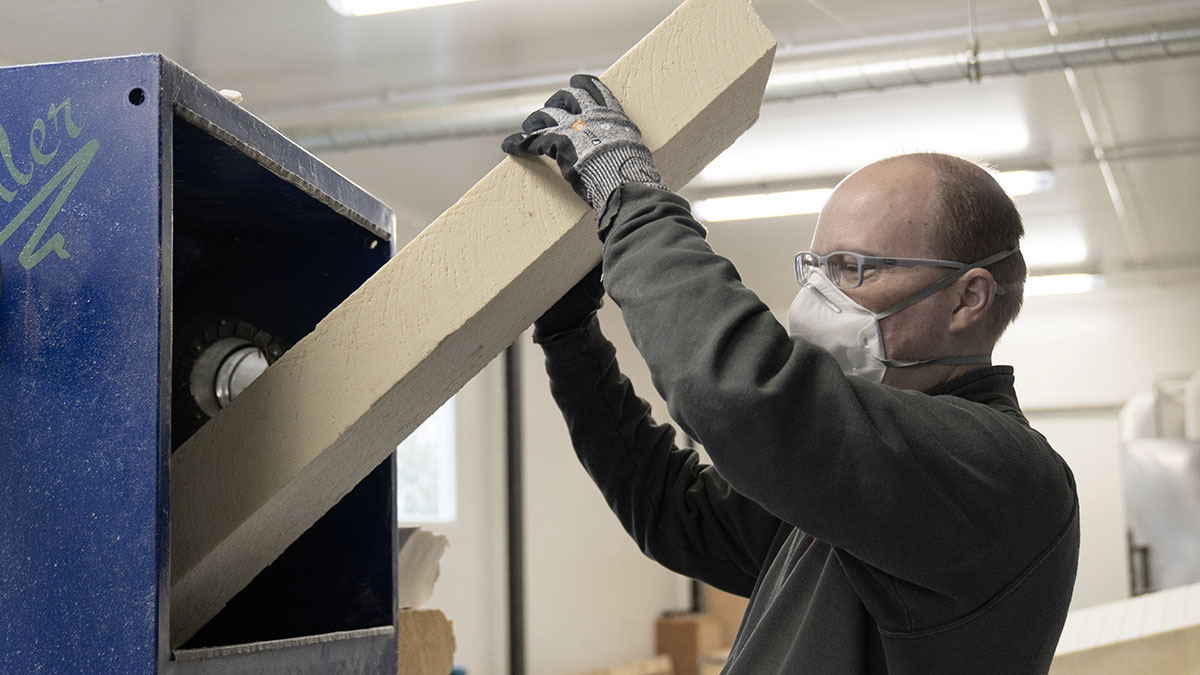
Recycling PU foam directly on-site or through organized collection keeps construction areas cleaner and less cluttered. Fewer piles of waste reduce safety hazards, free up space, and create a more efficient work environment. A clean site also reflects professionalism, which can strengthen trust with customers.
Recycling PU foam helps contractors stay aligned with waste management regulations and avoid penalties for improper disposal. By following approved recycling practices, companies can demonstrate compliance with industry standards and environmental laws, making audits and certifications easier to achieve.
How to get started with PU foam insulation recycling
Recycling PU foam does not require a complete transformation of your operations. A good first step is to keep PU waste separate on-site instead of mixing it with general construction debris. Clean, sorted waste is much easier to recycle and adds value to the process. The next step is to work with specialized recycling partners who can take care of collection and processing.
Once collected, the foam can be treated in different ways. As previously mentioned, mechanical recycling breaks PU down by shredding or grinding it into small pieces, which can then be reused as fillers or turned into new insulation boards and panels. Chemical recycling goes further, breaking the foam back into its original building blocks — polyols and isocyanates — which can be used again to make brand-new polyurethane products.
These technologies ensure that PU waste doesn’t end up in landfills but is instead transformed into valuable resources that can re-enter the production cycle.
Why now is the time to act
In summary, PU foam insulation recycling delivers multiple benefits: it reduces waste management costs, ensures regulatory compliance, supports sustainability goals, and builds stronger client trust. This makes recycling not only a responsible choice but also a smart business decision.
For those interested in the recycling technologies and potential licensing opportunities, a dedicated page is available with comprehensive information and further details.
Author